Why We Compost: Turning Food Waste into Living Soil
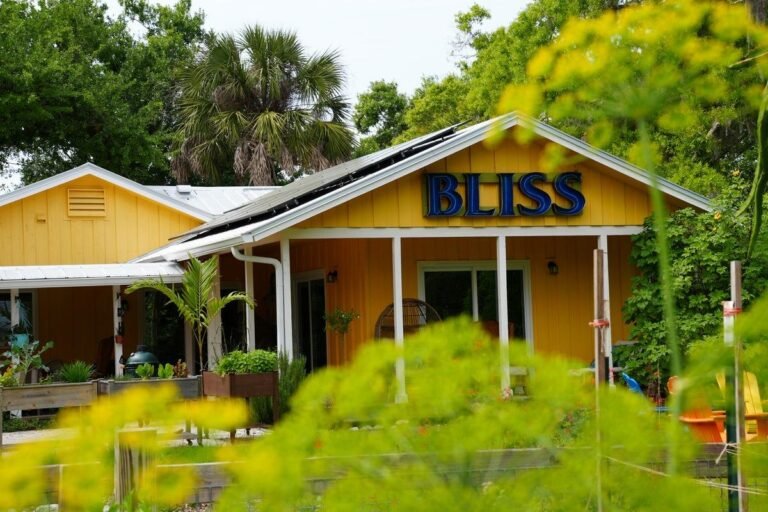
Composting is the foundation of everything we do at Moore Bliss Farm. It’s not a side project or an afterthought — it’s the engine that makes the entire farm work. Without compost, the sandy Sarasota soil we started with couldn’t grow much of anything. With it, we’re producing some of the richest earth in the county.
The Problem with Sarasota’s Soil
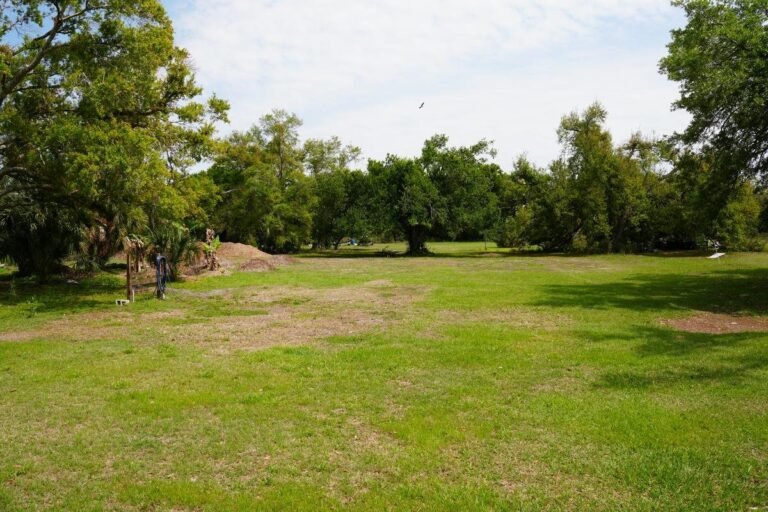
If you’ve ever tried to garden in Sarasota, you know the challenge. The native soil here is essentially sand — it drains instantly, holds almost no nutrients, and supports very little microbial life. Florida’s heat and humidity accelerate the breakdown of any organic matter that does exist, which means the soil is constantly losing what little it has.
Most conventional approaches to this problem involve importing bags of commercial potting mix or applying synthetic fertilizers. Those solutions work in the short term, but they don’t build anything lasting. The moment you stop buying inputs, the soil reverts to sand.
Our Approach: Biodynamic Composting
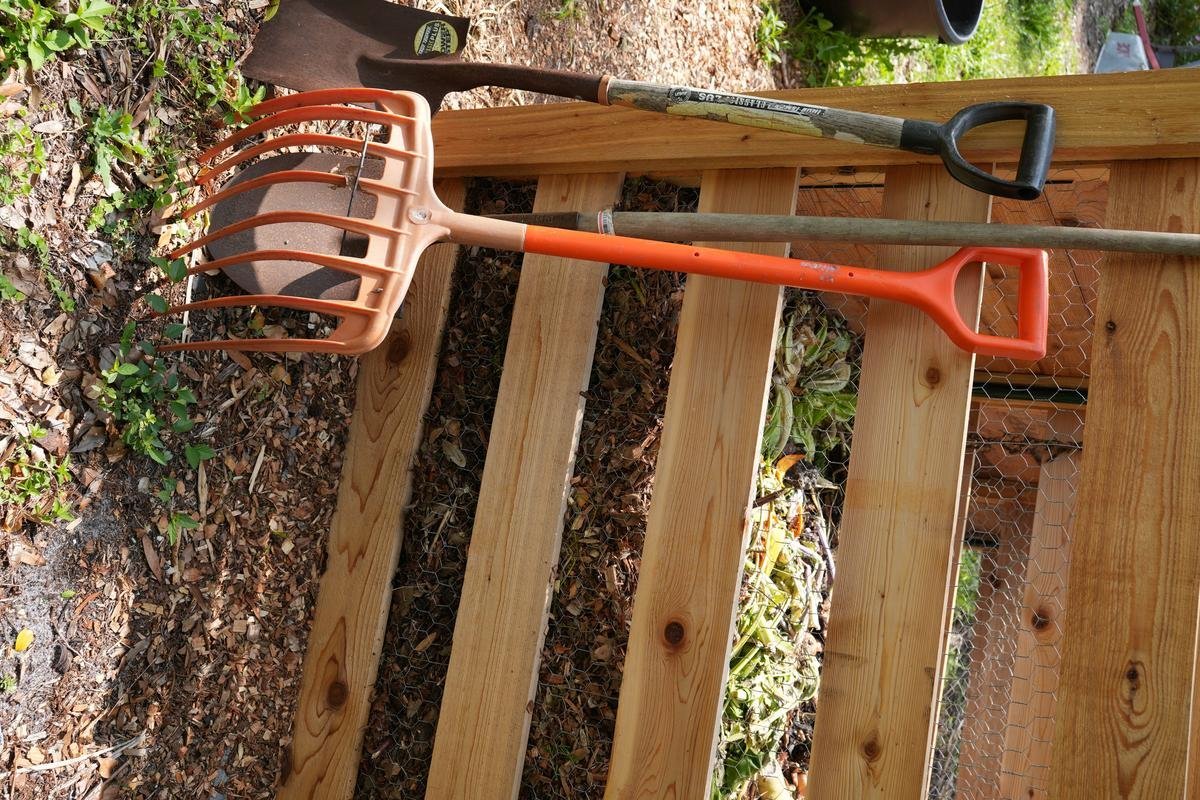
At Moore Bliss Farm, we take a different approach. Every week, we collect food waste — from our Monday evening community composting sessions, from local restaurants, and from nearby hospitals. That waste gets carefully mixed with wood chips and a small amount of horse manure to create the right carbon-to-nitrogen ratio.
Over the course of several weeks, microbial activity heats the pile to temperatures that kill pathogens and weed seeds while preserving the beneficial organisms that make finished compost so valuable. The result is dark, crumbly, sweet-smelling earth — teeming with the bacteria, fungi, and microorganisms that plants need to thrive.
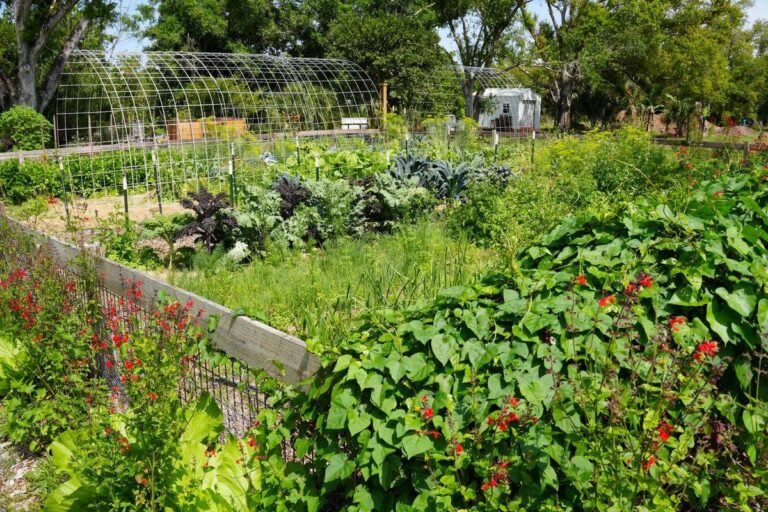
This isn’t just fertilizer. It’s a living ecosystem in miniature. When we add this compost to our garden beds, we’re not just feeding the plants — we’re inoculating the soil with the biological infrastructure it needs to sustain itself.
The Bigger Picture
Food waste is the single largest category of material sent to landfills in the United States. When it decomposes anaerobically in a landfill, it produces methane — a greenhouse gas roughly 80 times more potent than carbon dioxide over a 20-year period.
By composting that same material aerobically — with oxygen, in managed piles — we eliminate the methane problem entirely. And instead of waste, we get soil. Soil that grows food. Food that feeds people. It’s the definition of a closed loop.
In Sarasota, where water quality in our bays and waterways is directly affected by agricultural runoff, this kind of approach matters more than most people realize. Healthy, compost-rich soil holds water and nutrients in place instead of letting them wash into Sarasota Bay during summer rainstorms.
Start Composting Yourself
You don’t need three acres to start composting. A small backyard bin, a tumbler on a patio, or even a worm bin under your kitchen sink can make a real difference. If you’d like to learn more, come to Compost Monday at Moore Bliss Farm — we’re happy to share what we’ve learned and help you get started.